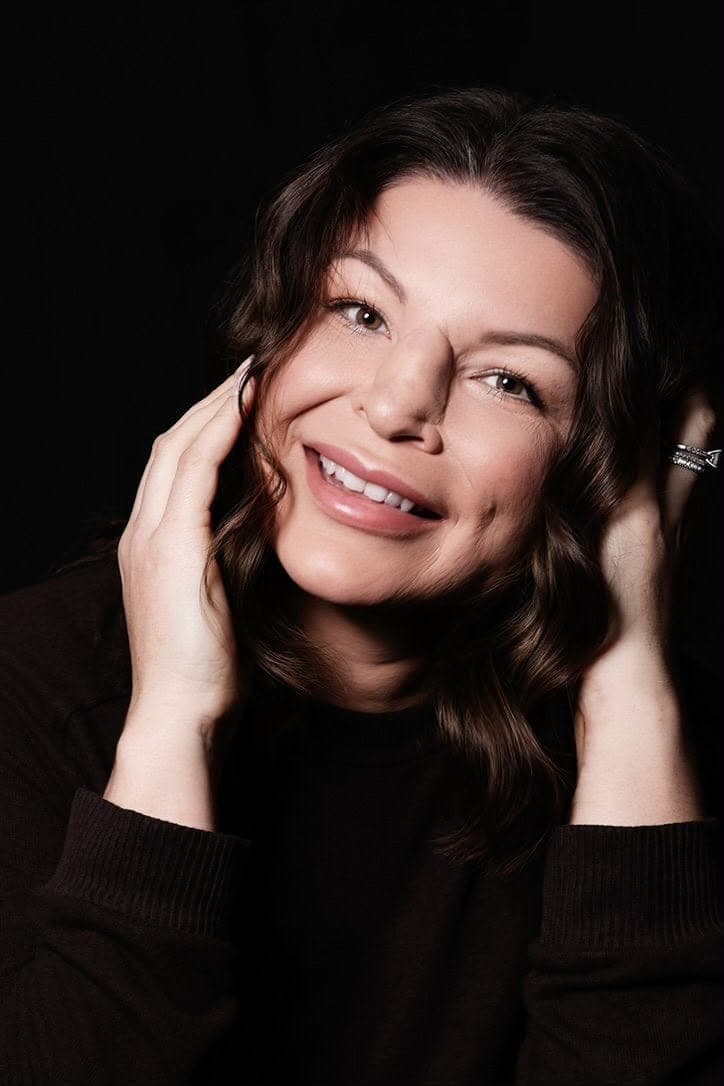
The Woman Who Refused to Disappear
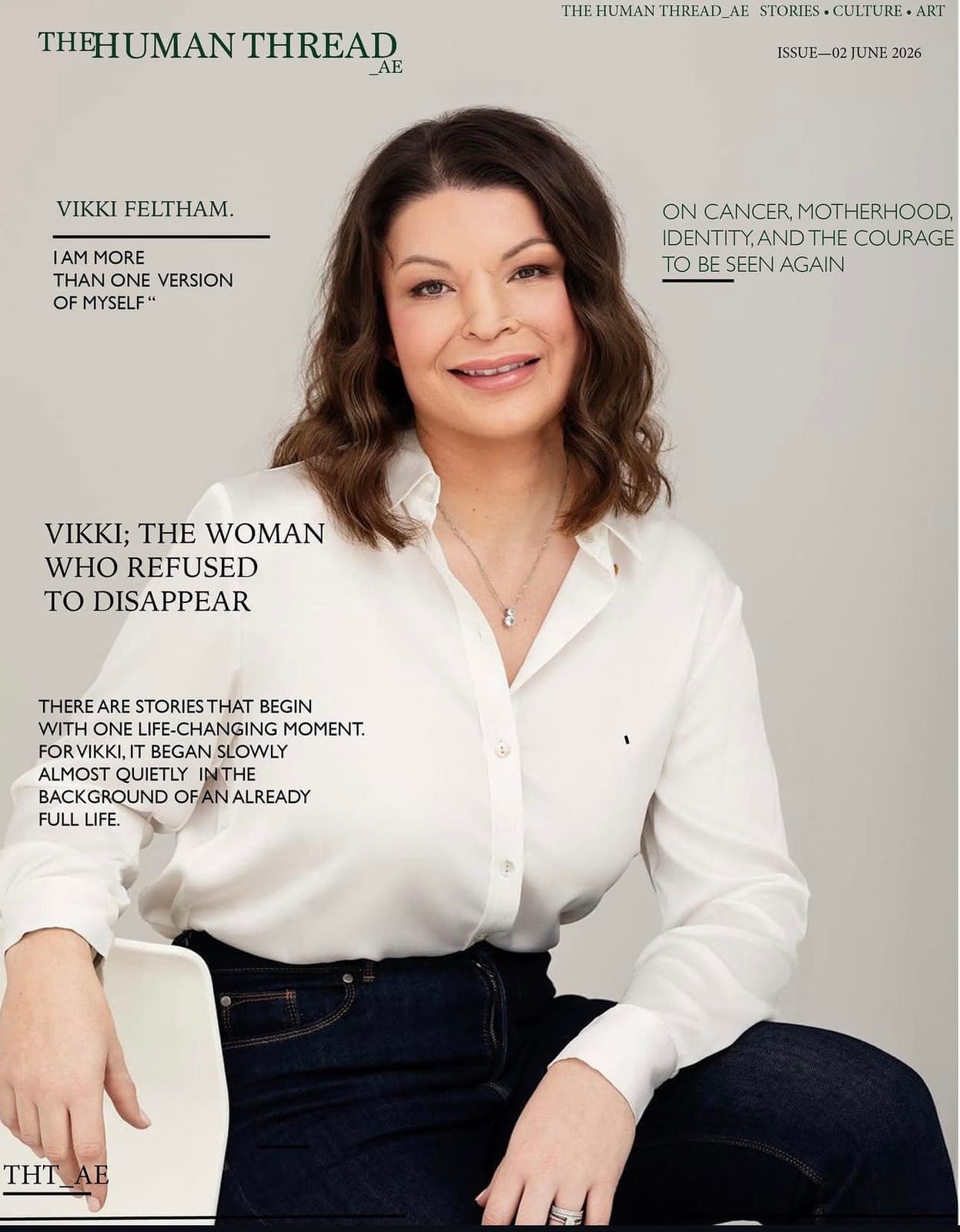
On cancer, motherhood, identity, and the courage to be seen again.
The Beginning
She was 36, navigating motherhood, marriage, work, and the everyday movement of a life that kept asking her to continue. An unplanned pregnancy had led to a premature birth, followed by a difficult first year with her daughter. Then, when her daughter was just one year old, Vikki was diagnosed with a rare nasal cancer.
For years she had been experiencing nosebleeds. What began as something manageable slowly became impossible to ignore. "I didn't really feel like I was being listened to," she recalls. She showed doctors photographs and described the pain, the swelling, and the fear of knowing her own body was changing while others could not see the urgency. Eventually, after years of appointments, a biopsy was finally taken.
She did not disappear. She became visible in a new way.
The Moment Everything Changed
The diagnosis was squamous cell carcinoma inside her nose. The cancer had progressed into the cartilage of her septum and nasal bone. What followed was panic: fear for her life, fear for her daughter, fear for her family, and a quiet shame that so many women carry when illness enters the home.
The cancer had spread further than expected. Most of her nose would need to be removed. She describes that period as a suspended reality, a time when she became a patient number, a body moving through appointments, a person being treated but not always fully seen.
When treatment stopped, the real healing began.
Beginning Again
Before cancer, Vikki had lived inside the identities many women are taught to carry. The smart girl. The capable one. The high achiever. The mother trying to do enough, be enough, look enough. After cancer, those identities no longer fit. At first, life became smaller, and quietly she slipped into depression.
Then came the turning point: her daughter. Vikki realised her daughter deserved a mother present in the world with her. So she began again, not dramatically, not all at once, but in small, brave steps. A short walk. A supermarket visit. A forest walk with her family. A running programme to rebuild her strength.
More Than One Version
People are more fluid than we allow ourselves to be. We place each other into boxes: the strong one, the organised one, the successful one. For Vikki, healing became about stepping outside those labels. She began to realise she was not only one version of herself.
Then came another moment of confirmation: she was headhunted for a senior leadership role and hired after one interview. Slowly, Vikki understood that her worth had not disappeared. Her face had changed, but her intelligence had not. Her confidence had been shaken, but her value had not.
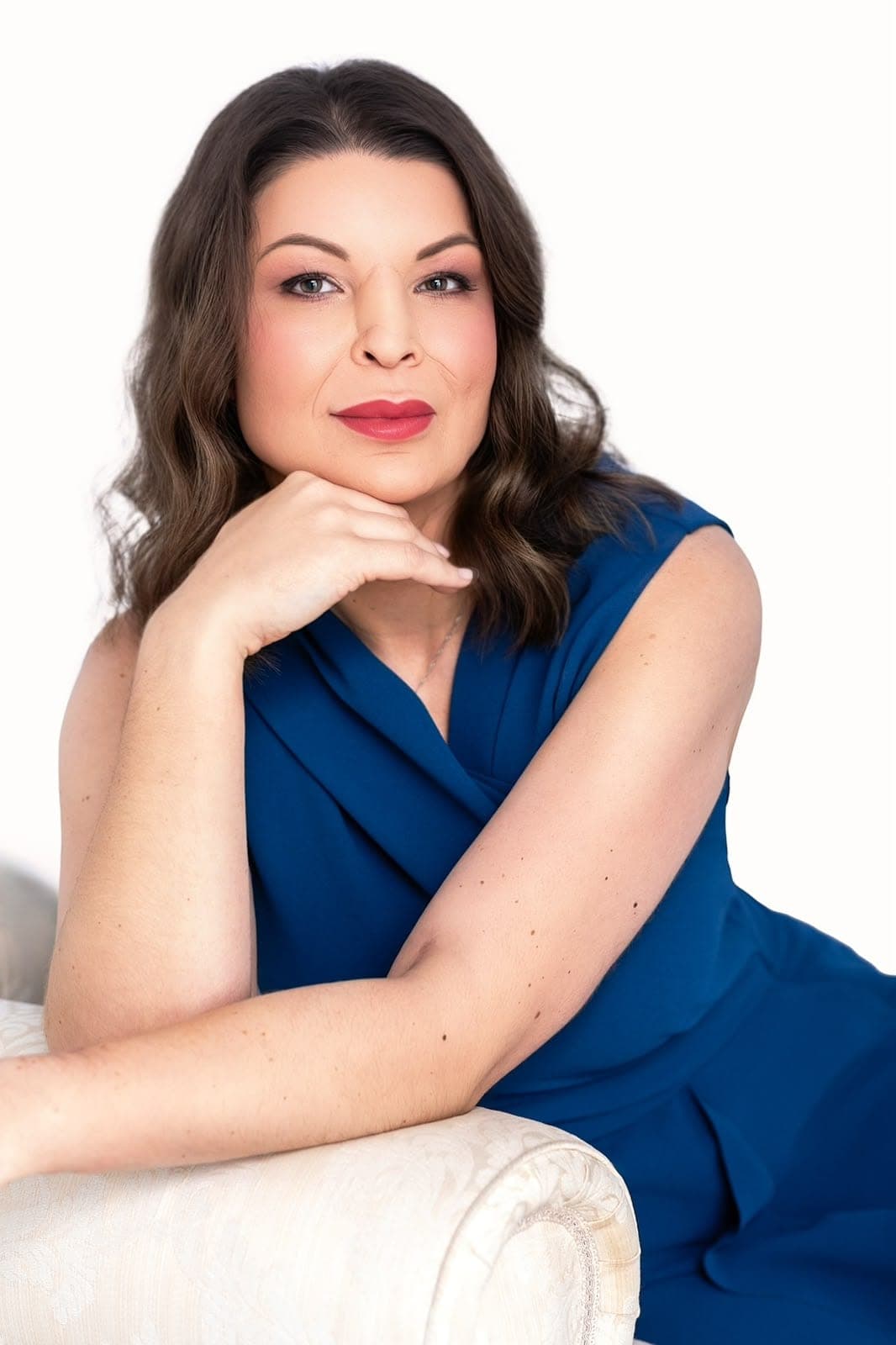
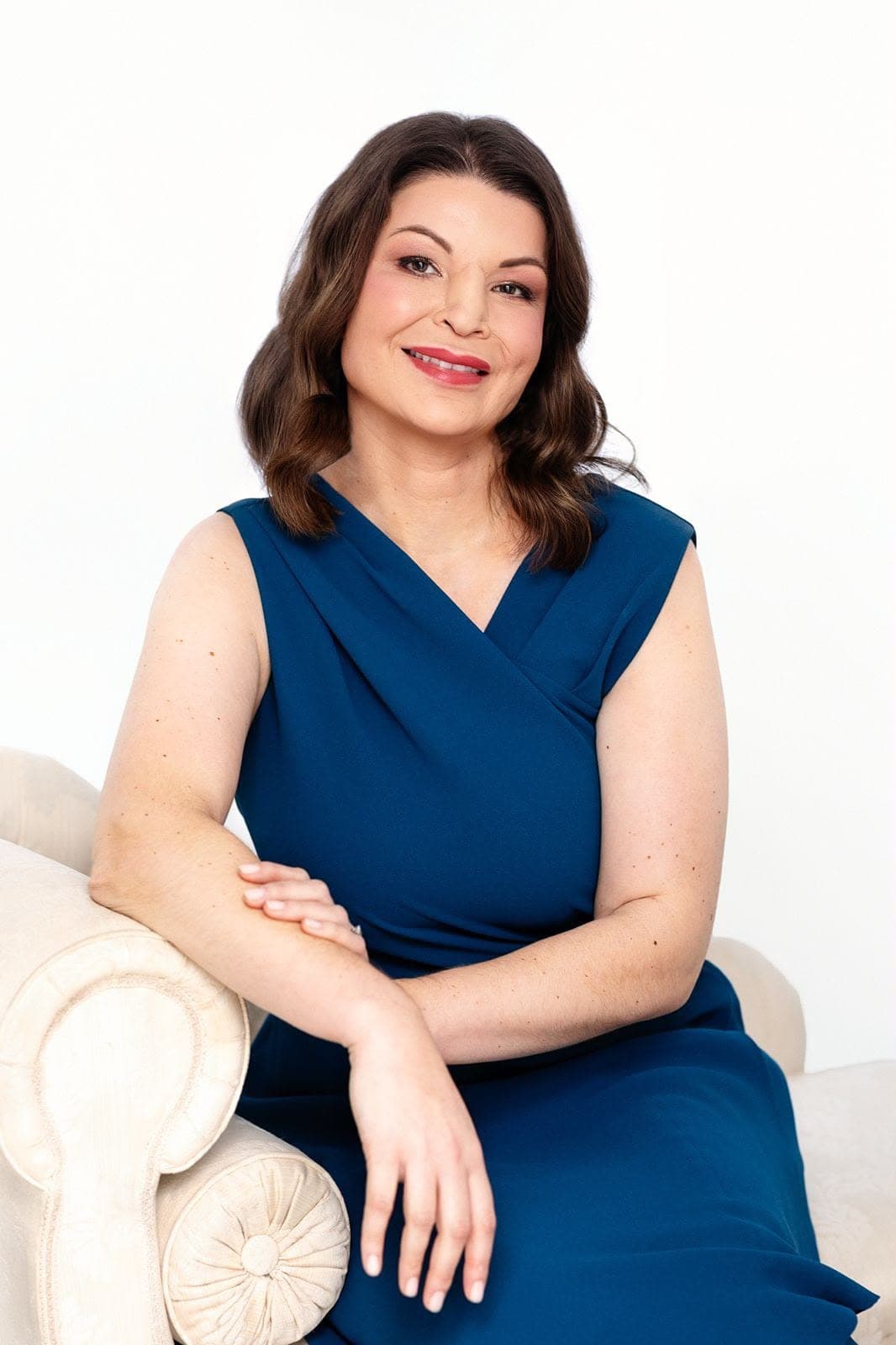
Her face had changed, but her intelligence had not.
Fully Seen
Vikki's story is not only a cancer story. It is a story of identity, of visible change, of motherhood, of being unheard, and then slowly finding the courage to become a woman with a voice again. It asks us to look again: at the woman behind the diagnosis, the mother behind the fear, the human being behind the visible difference.
Her story is a reminder that we are not fixed. We are allowed to change. We are allowed to begin again. And perhaps that is where the real power lives, not in returning to who we were before, but in discovering that we can still be whole after everything has changed.