A Life Shaped by Heritage
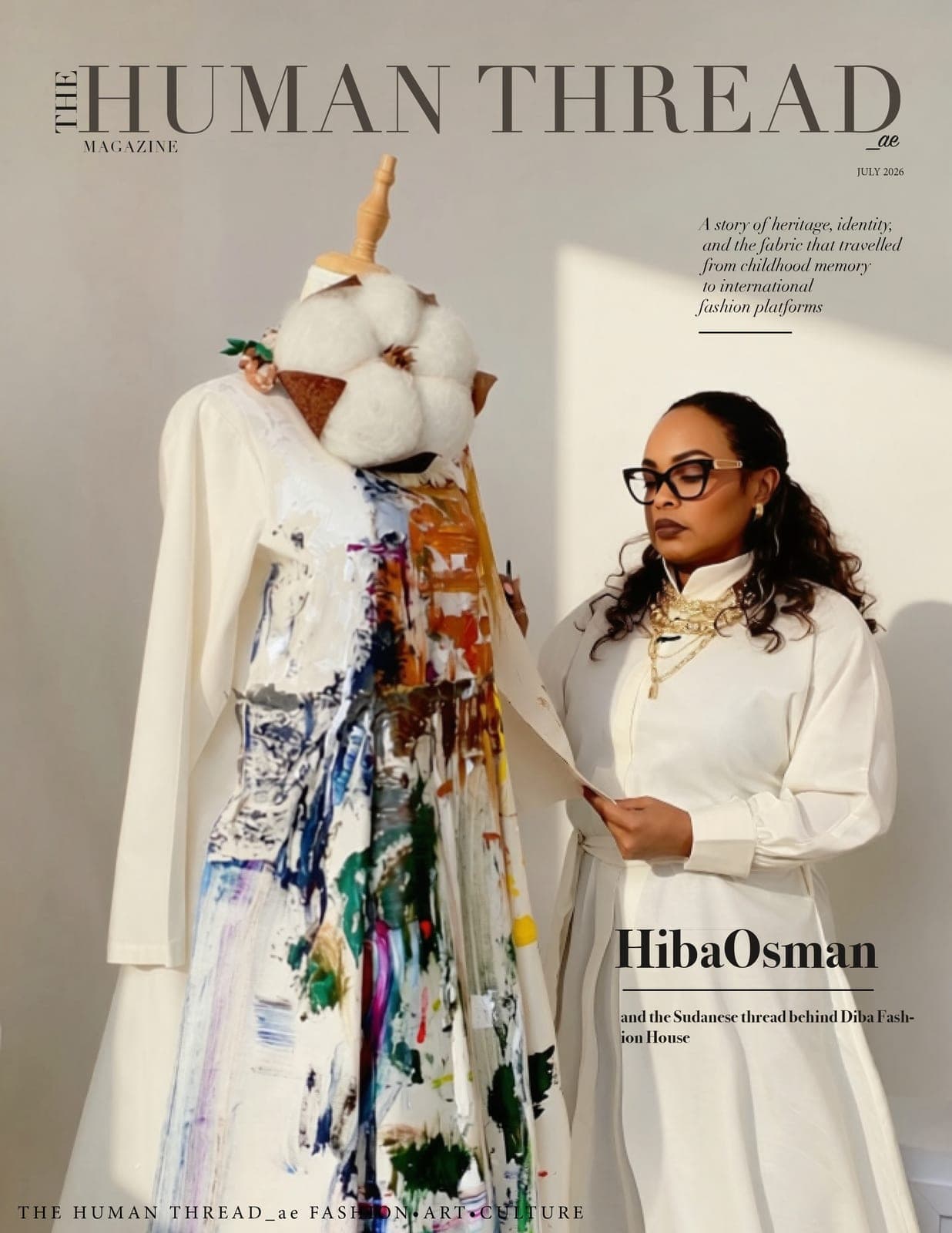
From a fabric remembered at thirteen to Diba Fashion House: Sudanese heritage carried onto the world's runways.
Hiba Osman was born and raised in Khartoum, Sudan. She graduated in psychology and preschool education in 1995.
But even then, she knew psychology was not the full destination of her life. Deep inside, she believed another door would one day open.
That door was connected to her roots, family history, and Sudanese identity. Her story begins with memory, and with a fabric she never forgot.
Where Memory Began
Hiba grew up in a historic Muslim family surrounded by stories of the past. Her grandfather had been one of the warriors of the last century.
As a young girl, she loved sitting with her grandmother and asking questions. She wanted to understand the clothes, the traditions, and the meaning behind them.
History was never only a subject for her; it was part of her identity. That curiosity became the foundation of her creative voice.
The Fabric That Stayed
At thirteen, Hiba saw an off-white fabric in a small shop inside a hotel. The material felt strange to her, and she asked her mother what it was.
Her mother explained that it had once been used in many parts of Sudanese life. It was connected to mourning, school uniforms, mattresses, prison clothing, and burial rituals.
To many people, it carried sadness, simplicity, and hardship. But to Hiba, it carried memory, and it never left her.
The Heart That Felt Too Much
After graduation, Hiba began working in psychology. But clinical work became too heavy for her heart.
She carried every patient's pain home until her father advised her to create boundaries. Instead of leaving care behind, she moved into learning disabilities.
There, she found a deep connection with children, especially those with Down syndrome. This chapter taught her softness, responsibility, and the power of human understanding.
A Woman Always in Motion
Hiba's work later took her to Saudi Arabia, where she became a general supervisor. Her background in psychology and learning disabilities made her highly valued.
She worked in an institution during the day and managed a women's association later. Her days were full, often stretching from morning until late at night.
Instead of breaking her, this period built discipline and strength inside her. It showed her that she could carry many roles and still keep moving.
Teaching History Through Story
In Cairo, Hiba worked with Sudanese refugees and saw children losing connection to identity. She knew history could not be forced on them through traditional lessons.
So she used psychology, theatre, acting, and storytelling to teach Sudanese heritage. The children became part of the story, not only listeners.
She researched deeply in Cairo's libraries to give them accurate history. Through this work, identity became something alive, felt, and remembered.
I did not want to teach identity as information. I wanted them to live it.
Service, Responsibility & Action
When Hiba returned to Sudan, she wanted to continue meaningful work. But she stepped away from institutions that did not follow the methods she believed in.
For her, working with vulnerable children was a responsibility before God. She later joined an NGO building a children's cancer hospital in Sudan.
With her experience in events and public relations, she joined fundraising and events. Once again, Hiba turned care into action.
When the Fabric Became a Vision
The fabric Hiba first saw at thirteen stayed quietly in the back of her mind. Years later, when she searched for her creative path, it returned as a clear vision.
She began with small designs and chose to launch first in Cairo. She knew Cairo's media scene could give the story the visibility it needed.
Outside Sudan, people were fascinated by the fabric and its cultural depth. Inside Sudan, many still needed time to see it differently.
The Yanni Moment
In 2010, Hiba was asked to create a Sudanese jalabiya for Yanni. The Greek musician was performing in Abu Dhabi, and she knew the moment could change everything.
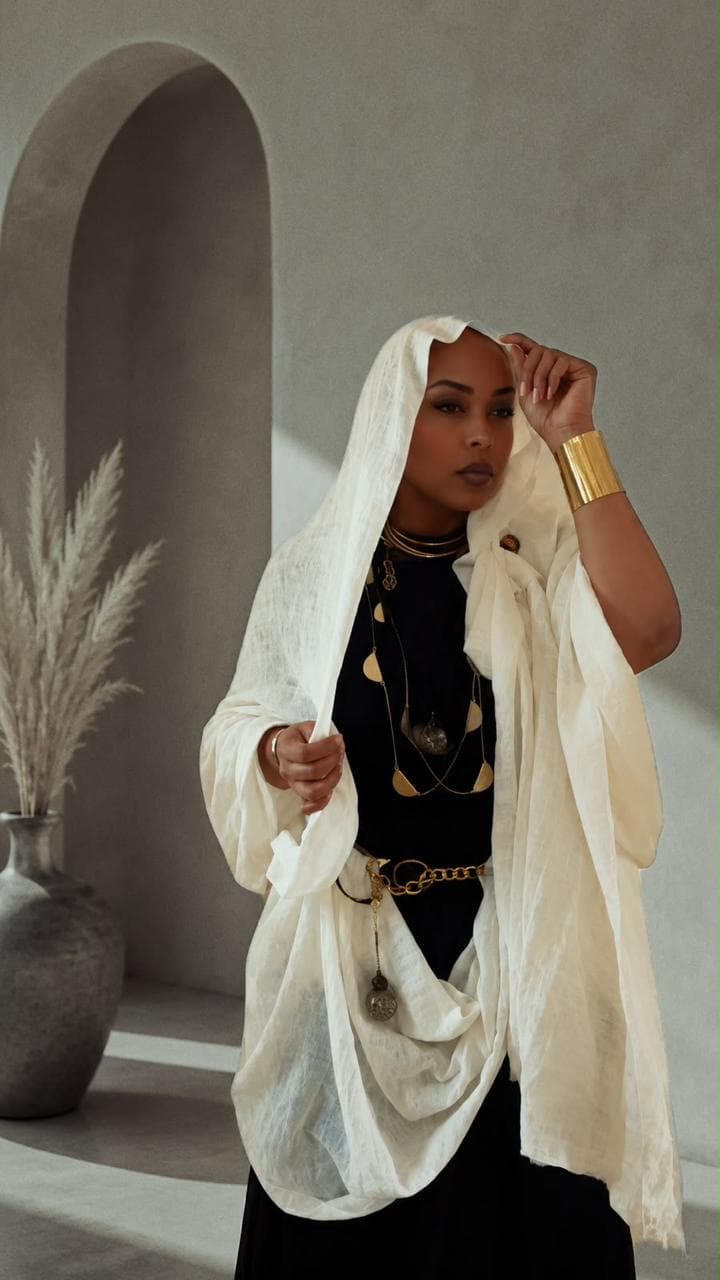
She designed a traditional Sudanese men's jalabiya in pure cotton. When Yanni saw the fabric, he touched it and immediately recognised its quality.
He wore the jalabiya and shared it on his official pages. For Hiba, this was the door that carried Diba Fashion House to another level.
From Sudan to the World
After that moment, fashion shows began opening their doors to Diba Fashion House. From Kenya to Cairo and Dubai, the brand stood out on international catwalks.
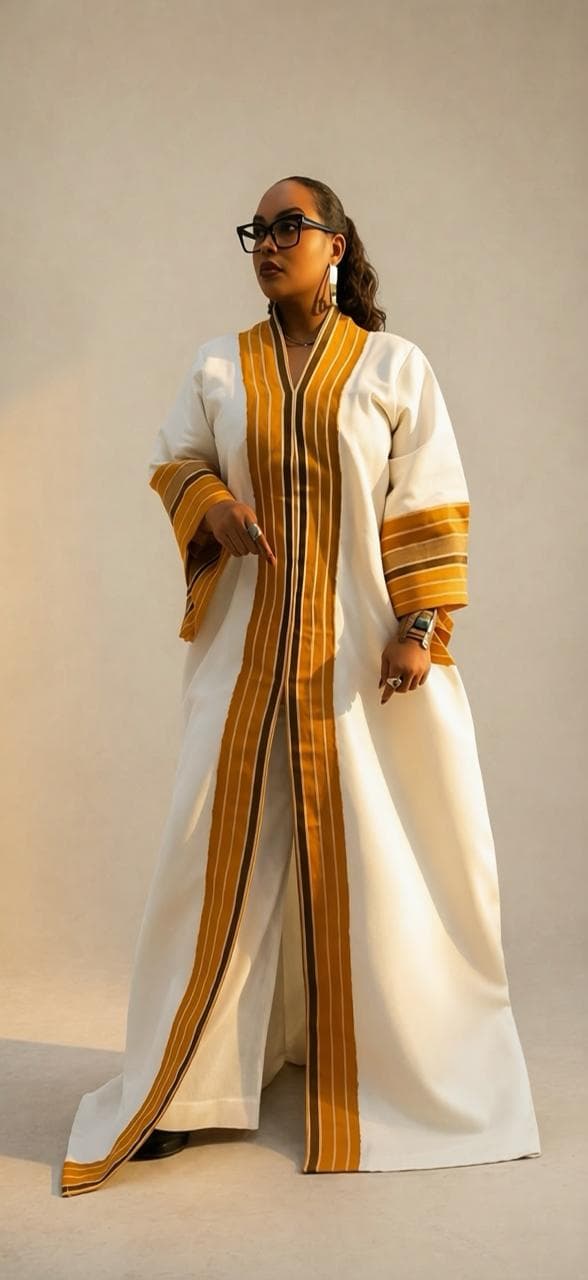
Its sustainable pure cotton and off-white Sudanese fabric offered something different. Hiba began participating in several major events outside Sudan every year.
The brand reached celebrated names, including Mohamed Mounir and Najwa Karam. Diba Fashion House became known for cultural pieces that carried identity with elegance.
A Fabric That Refused to Be Forgotten
For Hiba, fashion was never only about clothing. It was about memory, history, and changing how people see their own heritage.
She took a fabric once linked to sadness and gave it dignity, beauty, and visibility. Through Diba Fashion House, Sudanese identity found a new place on the runway.
Her journey proves that what is forgotten can become powerful again.
Sometimes, one fabric can carry the story of a whole people.