The Art of Seeing Differently
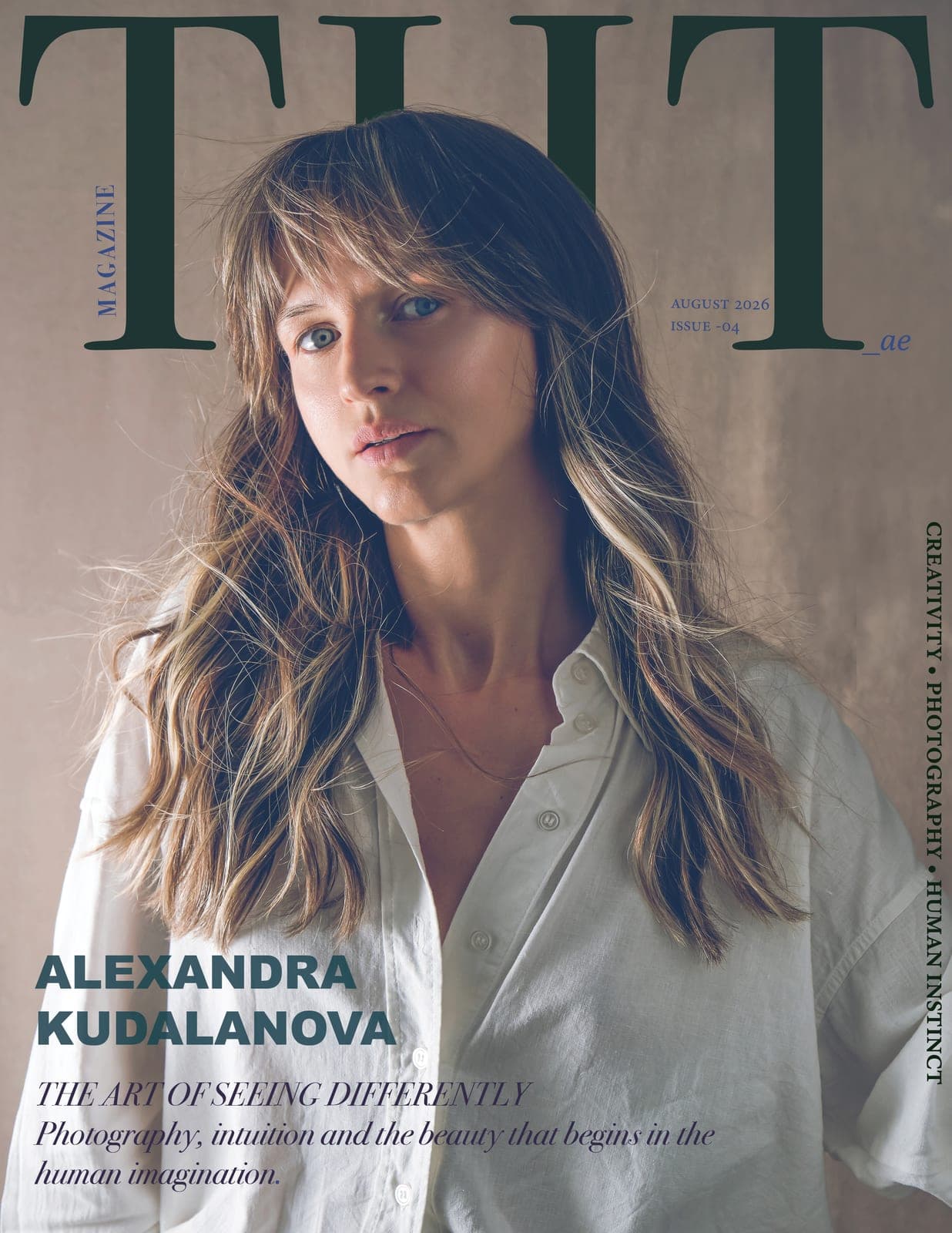
Photography, intuition and the beauty that begins in the human imagination.
Before the Camera, There Was Imagination
Long before photography became a profession, there was already a world being carefully composed in Alexandra Kudalanova's imagination. As a child, she drew constantly, designed and sewed clothes for her dolls, imagined interviewing celebrities and took pleasure in beautifully designing her own articles. At art school, composition became her favourite subject not because there was a right answer, but because there wasn't one. She was given the freedom to create whatever inspired her in that particular moment.
Books never remained simply words on a page. Characters appeared with clothes, expressions and entire worlds around them; even the weather existed vividly in her mind. Music was visual too. Every melody seemed to arrive with its own colour. At fourteen, she used a scholarship to buy her first camera and began photographing anything that caught her eye. It was the moment an inner world finally found a physical language.
The camera did not teach her how to imagine. It simply gave imagination somewhere to go.
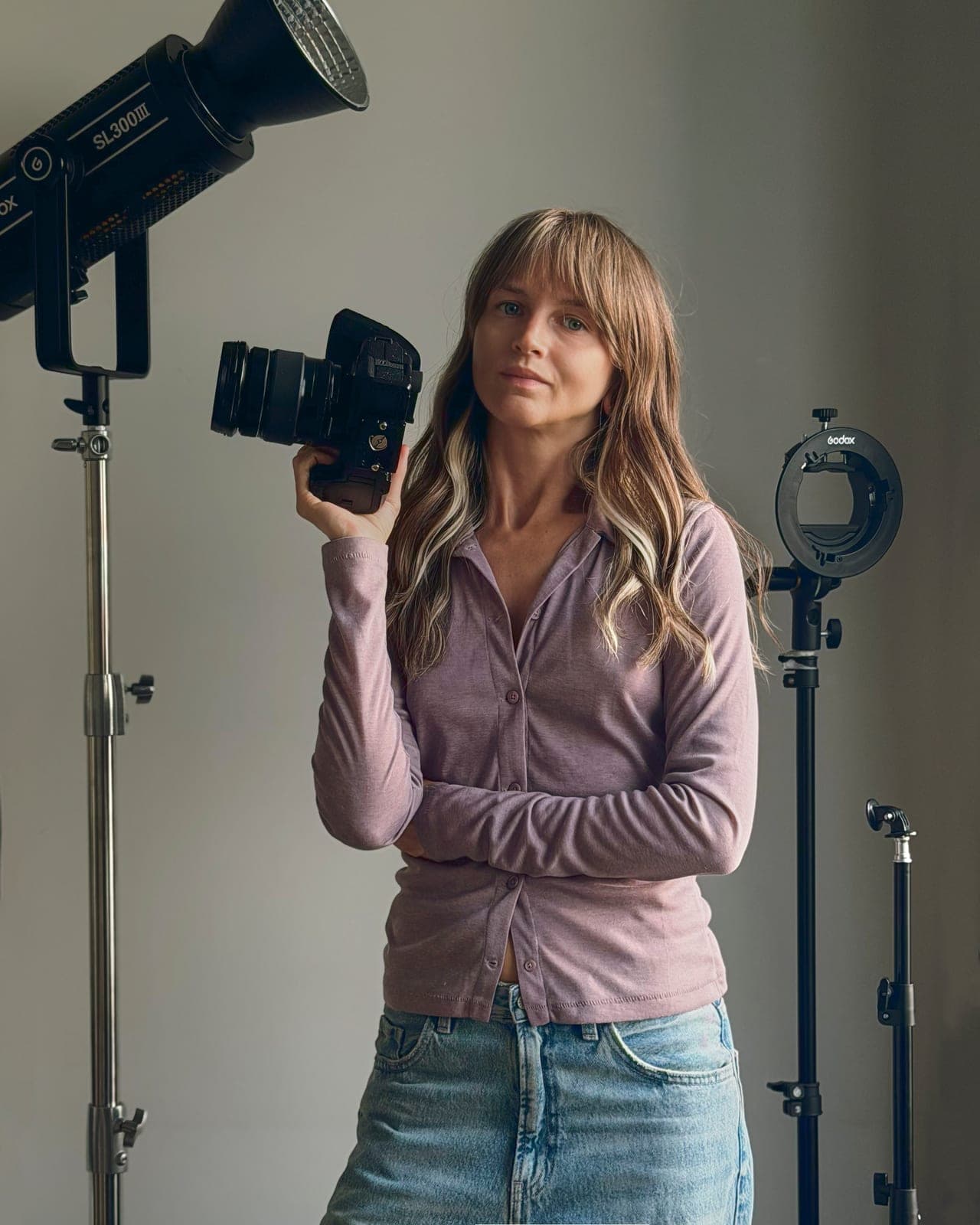
I have always thought in images. Through the camera, I found a way to transfer my fantasies and ideas onto a visual canvas.
The Freedom of Objects
Early in her career, she photographed people, but portraiture revealed something that never sat comfortably with her. People often struggled to accept themselves as they appeared in photographs. They wanted retouching to change their faces or bodies, replacing something real with something closer to an imagined perfection.
For someone who believes deeply in visual honesty, that felt difficult.
Objects offered another kind of freedom. A perfume bottle could become the centre of an unexpected world. Jewellery could be transformed through texture and light. Flowers, food, stones and natural materials could be arranged without boundaries. Sometimes a composition begins with a story; other times, there is no complicated meaning at all only the pleasure of seeing colours and textures fall beautifully into place.
There is something liberating about not needing to define the work too tightly. Beauty, jewellery, food and natural materials can all exist within the same creative universe.
Perhaps that freedom is what makes the images feel so considered. Nothing is there because it has to be. Everything has been invited into the frame.
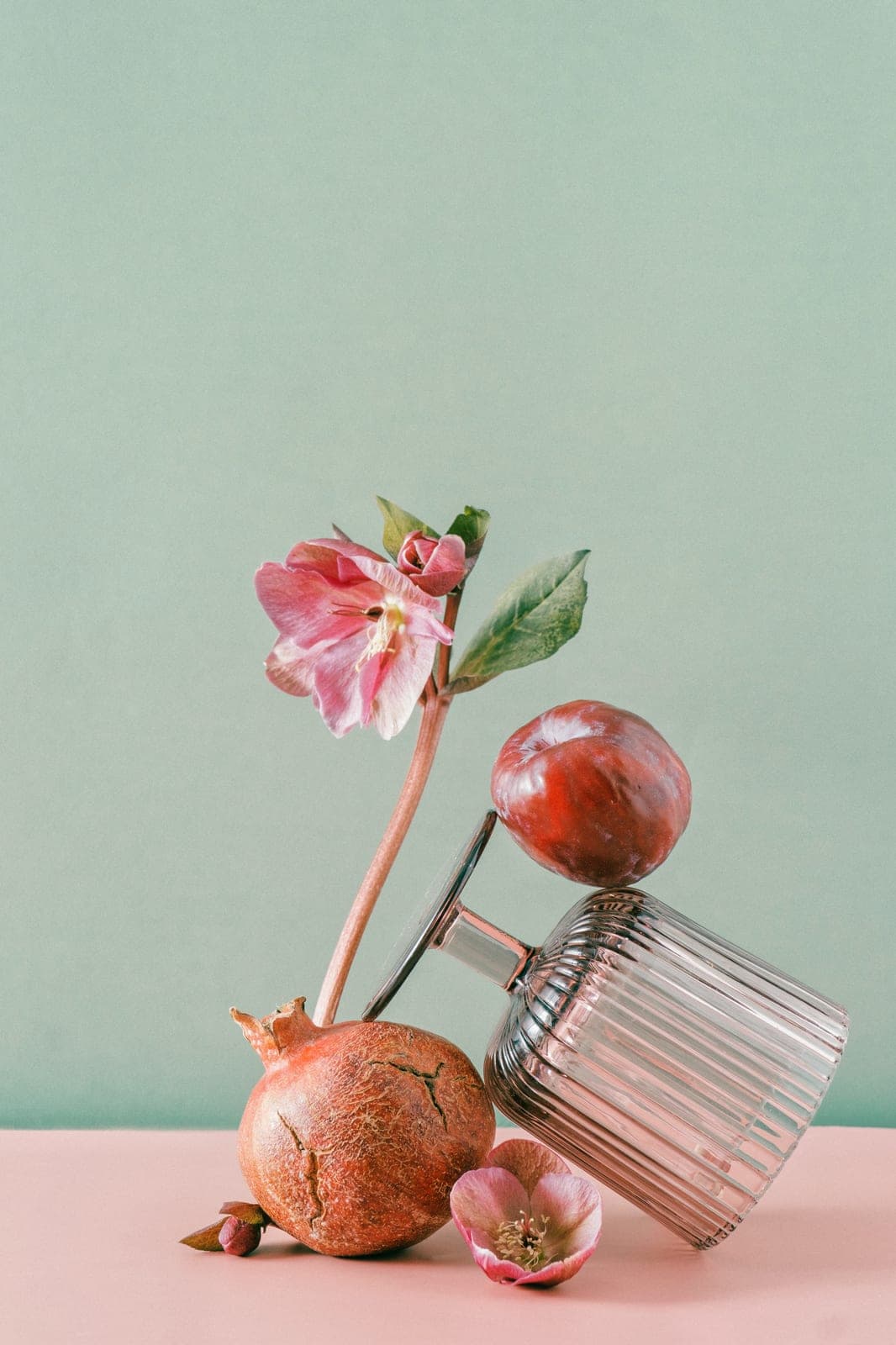
I value honesty in photography. I like working without boundaries, and objects give me the freedom to create.
The Beautiful Chaos Behind the Image
The finished photograph may appear immaculate. The process behind it rarely is.
There is an appealing honesty in admitting that creativity does not always follow the elegant path we imagine. An idea can begin confidently and unravel halfway through. Something is added, something removed, and sometimes the entire direction changes. With personal work, intuition is allowed to interrupt the plan.
When creating a composition, the outside world becomes quiet. Distractions disappear. Often there is no music at all only silence and the work itself. The process becomes intensely personal, almost intimate.
Commercial photography requires a different rhythm. A client's brief comes first, followed by the storyboard, moodboard and technical decisions. By the time the shoot begins, the destination is already clear. Retouching follows the same distinction: personal work leaves room for instinct, while commercial work requires precision and respect for the client's identity.
What the audience eventually sees, however, is only the result.
There have been moments when an idea refused to become what she could see so clearly in her head. Moments of frustration intense enough to bring tears, forcing her to put the camera aside and return several days later.
That vulnerability rarely makes it into the final frame. Yet perhaps it is one of the most truthful parts of being creative: the beautiful image and the difficult process can exist together.
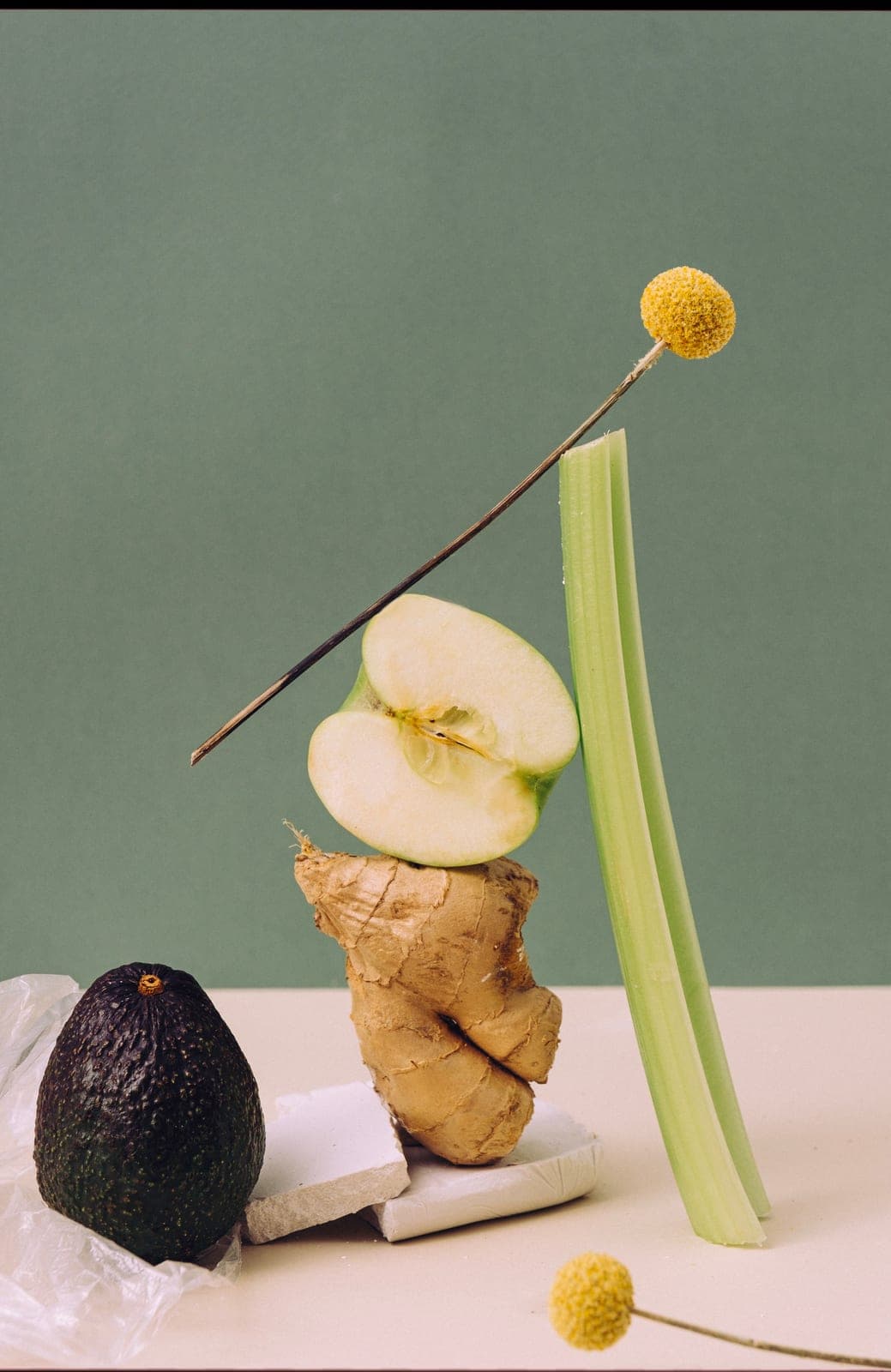
The finished image often hides all the doubts, disappointments and attempts that came before it.
Knowing When to Say No
Creative freedom also comes with the responsibility of protecting it.
Every client is different. Some offer complete trust and deliberately seek out the photographer's individual vision. Others particularly established beauty brands with carefully developed visual identities arrive with precise technical briefs that leave little room for interpretation.
Both can be valuable. But neither requires losing yourself.
There are projects she has chosen not to accept because the idea did not feel aligned with her style or because she knew she could not honestly deliver what the client wanted. Sometimes that means losing work. But a career is not shaped only by what we accept; it is equally shaped by what we decide is not ours.
In a culture that often celebrates every opportunity, there is something quietly confident about knowing that not every opportunity needs to become yours.
For me, maintaining this balance means learning to say 'no' when I feel that a project does not fit my style.
The World as Inspiration
If there is one investment she would make again without hesitation, it is travel.
Not equipment. Not another object for the studio. Travel.
Asia brings her back to nature. Stones, dried branches, flowers and plants return home as props, while the compositions that follow become calmer, softer and more muted. Europe awakens another visual instinct. Contemporary artists and photographers become sources of inspiration, while architecture reshapes the way she thinks about form.
Italy has a particular energy. It is not only the architecture, but the people their voices, gestures and expressive way of inhabiting everyday life. After those journeys, there is an urge to make something bolder: more vibrant, more contrasting, more alive.
Travel becomes a kind of visual education. Every new place expands the archive inside the mind, giving imagination more references from which to create.
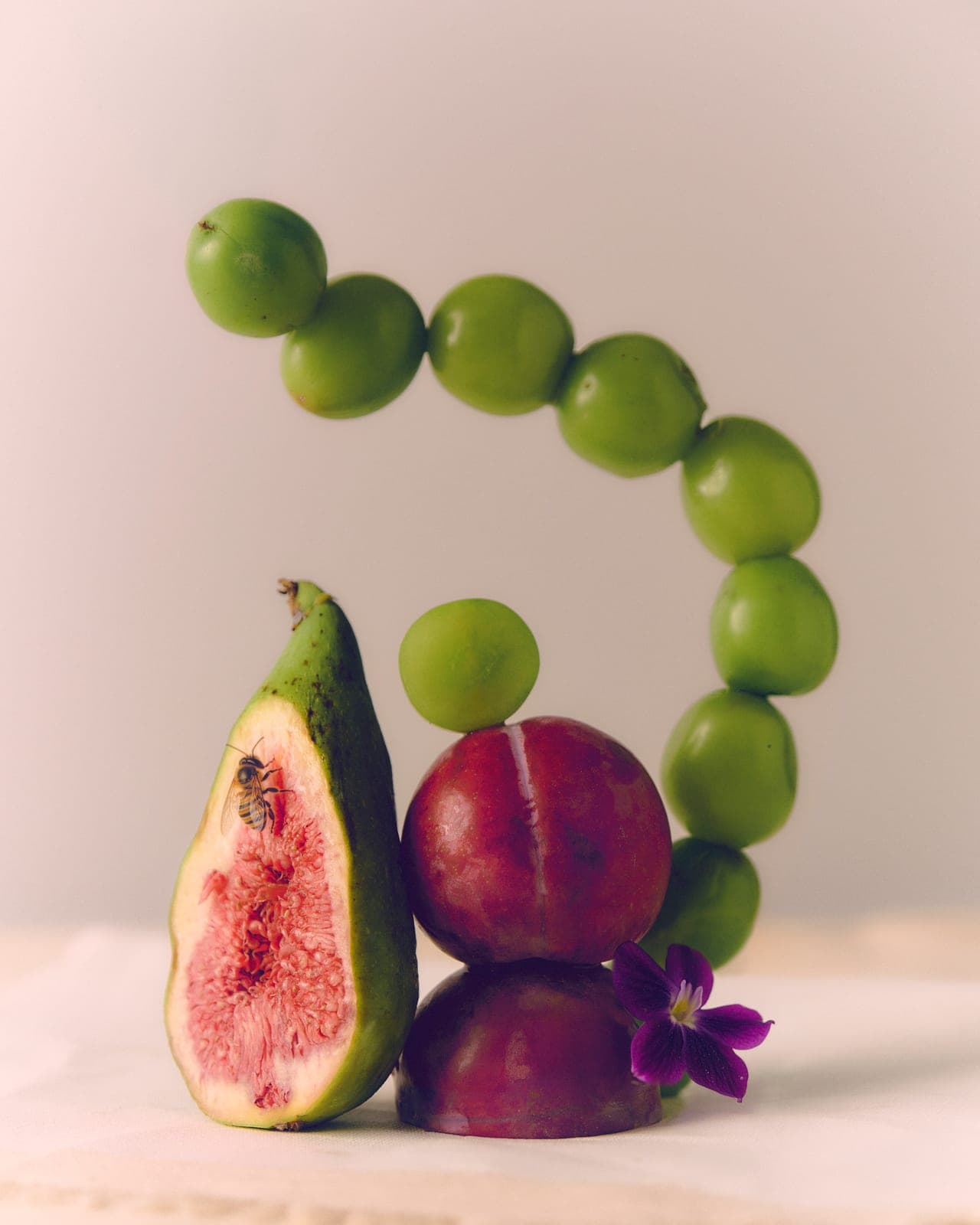
We never return from a journey exactly as we were before.
When Pressure Becomes Experience
One of the most formative periods of her career came during three years working as a lead photographer for a grocery-delivery service in Russia, where products could reach customers within fifteen minutes.
The job quickly became about much more than photography.
There were managers to communicate with, deliveries to organise and props to source. Sometimes recipes had to be prepared. At other moments, she became the hand model in her own photographs. Retouching was hers too.
The responsibilities multiplied, and so did the pressure.
Yet something valuable happened within that intensity. The work became faster without sacrificing quality. Problems became less intimidating. Unexpected situations became something to solve rather than fear.
Confidence did not arrive overnight. It was built through repetition, responsibility and the experience of discovering that difficult situations could, in fact, be handled.
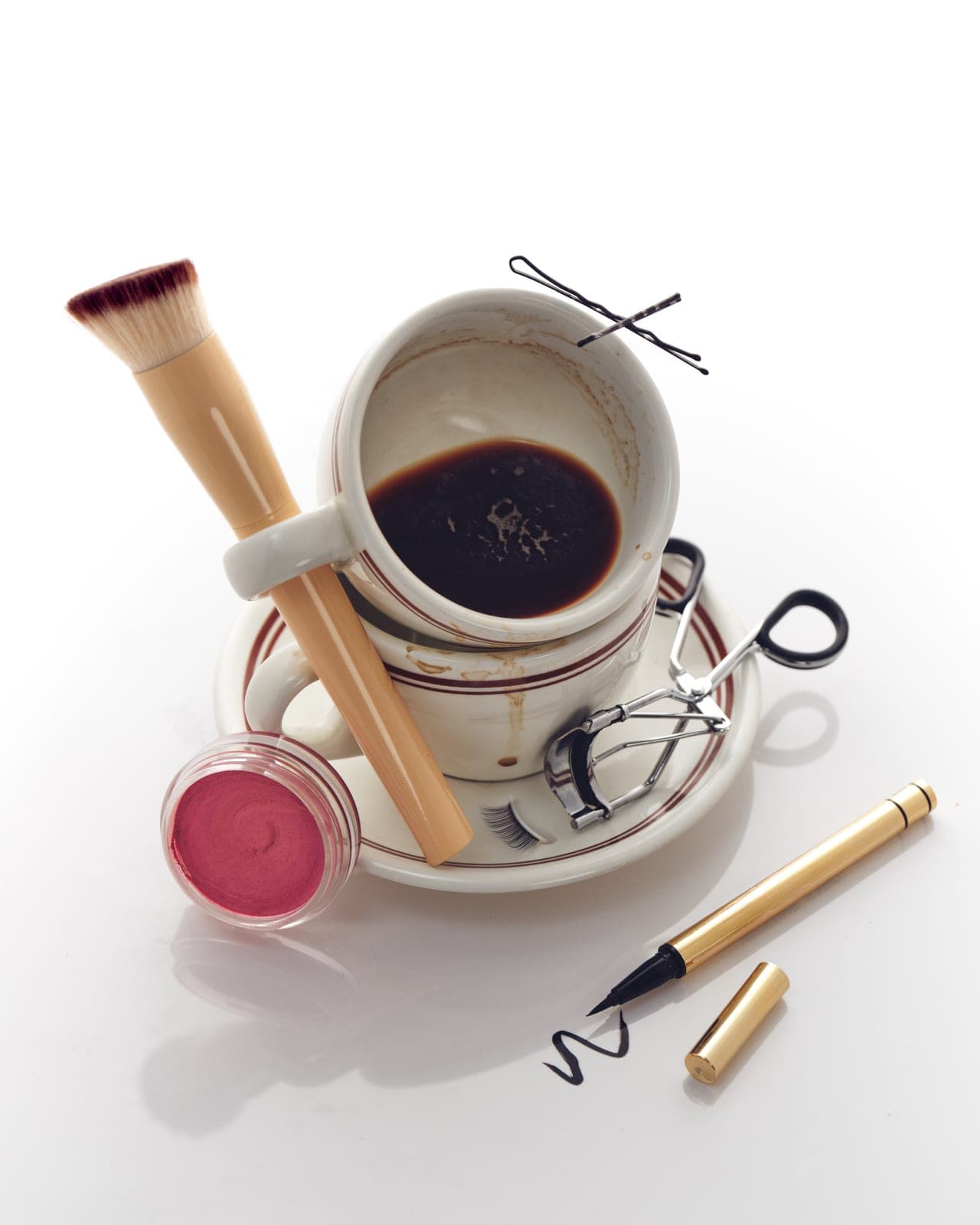
That experience taught me how to stay calm under pressure, solve problems quickly and find effective solutions even when things don't go according to plan.
Teaching the Thing She Once Needed
Teaching came with its own hesitation.
For a long time, she resisted it because she believed she had nothing valuable enough to tell other photographers. Then, after attending workshops herself, she began noticing what was missing. In a room full of people, individual questions could easily disappear. Students arrived needing specific guidance and sometimes left with those same questions unanswered.
There was another message she wanted to challenge: that becoming a photographer begins with buying expensive equipment.
Her own workshops became one-to-one for precisely that reason. If someone struggles with the technical side, the time is spent making it understandable. If inspiration has disappeared, the answer is not another lecture it is creating. Compositions are built, photographs are taken, and by the end of the day there is something tangible to take home.
But beneath technique is another lesson.
Fear.
The fear of not knowing enough. Of not owning enough. Of beginning badly. Of simply not knowing where to start.
The reward comes when that uncertainty changes into excitement when a student finishes the day eager to pick up the camera again.
Getting into photography doesn't have to be expensive or complicated. I love helping people stop being afraid.
What AI Cannot Feel
Few conversations about photography today can avoid artificial intelligence.
For a photographer whose work is rooted in instinct and personal vision, its rapid arrival brings complicated emotions. She has seen her own photographs processed through AI and transformed into similar imagery something particularly difficult when the original idea began with her own imagination.
But rather than asking only what technology can do, perhaps the more interesting question is what it cannot.
For her, human creativity lives in the unexpected decision. The instinct to place a dragonfly on a perfume bottle. The spontaneous thought during a shoot that one strange detail could transform everything. The willingness to abandon the original plan because another possibility suddenly feels more beautiful.
A machine can process information with extraordinary speed. It can respond to instructions and produce variations almost instantly. But feeling the memories, experiences and emotional associations that influence why something looks beautiful to one person remains more difficult to define.
Human creativity is not always logical. Perhaps that is precisely its value.
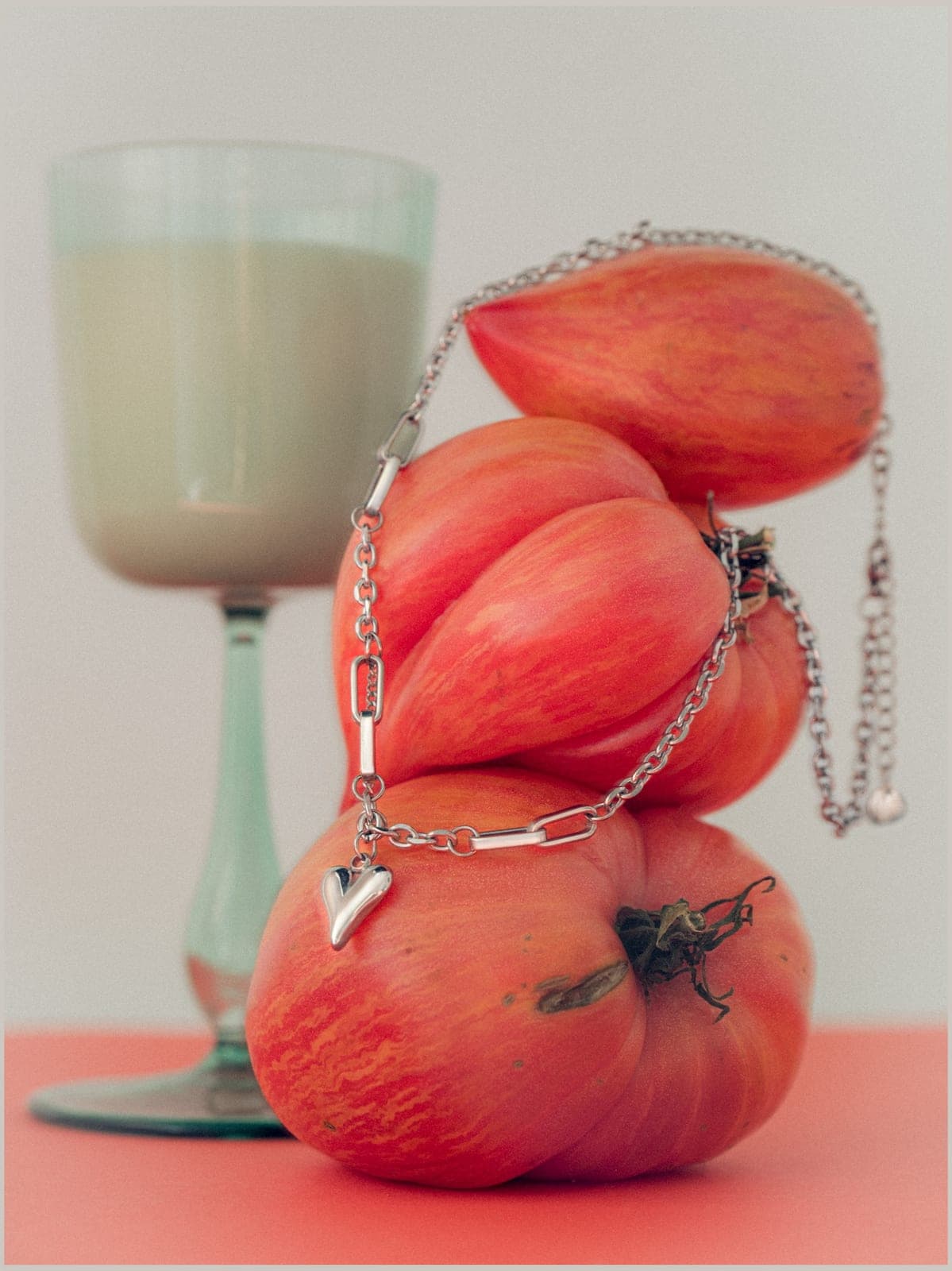
Taste is something people have. That's one of the things that sets us apart from machines. Machines can process information, but they can't truly feel or understand emotion.
More Than a Beautiful Image
Beyond technique, style or recognition, there is a quieter ambition emerging: for the work to carry something of the person behind it.
Kindness. Hope. A particular way of looking at the world.
She wants the photographs to inspire someone to make a brave choice or take a bold step. Interestingly, it was not something she had consciously defined until she was asked what she wanted her work ultimately to communicate.
Sometimes a question reveals a purpose we had not yet given words to.
And when self-doubt returns, as it does for almost every creative person, encouragement often arrives unexpectedly. A kind message. A compliment. Someone saying that an image connected with them.
Suddenly, the numbers matter less.
There is at least one person on the other side of the image who felt something.
For a creative person, perhaps there is no more meaningful measure of success.
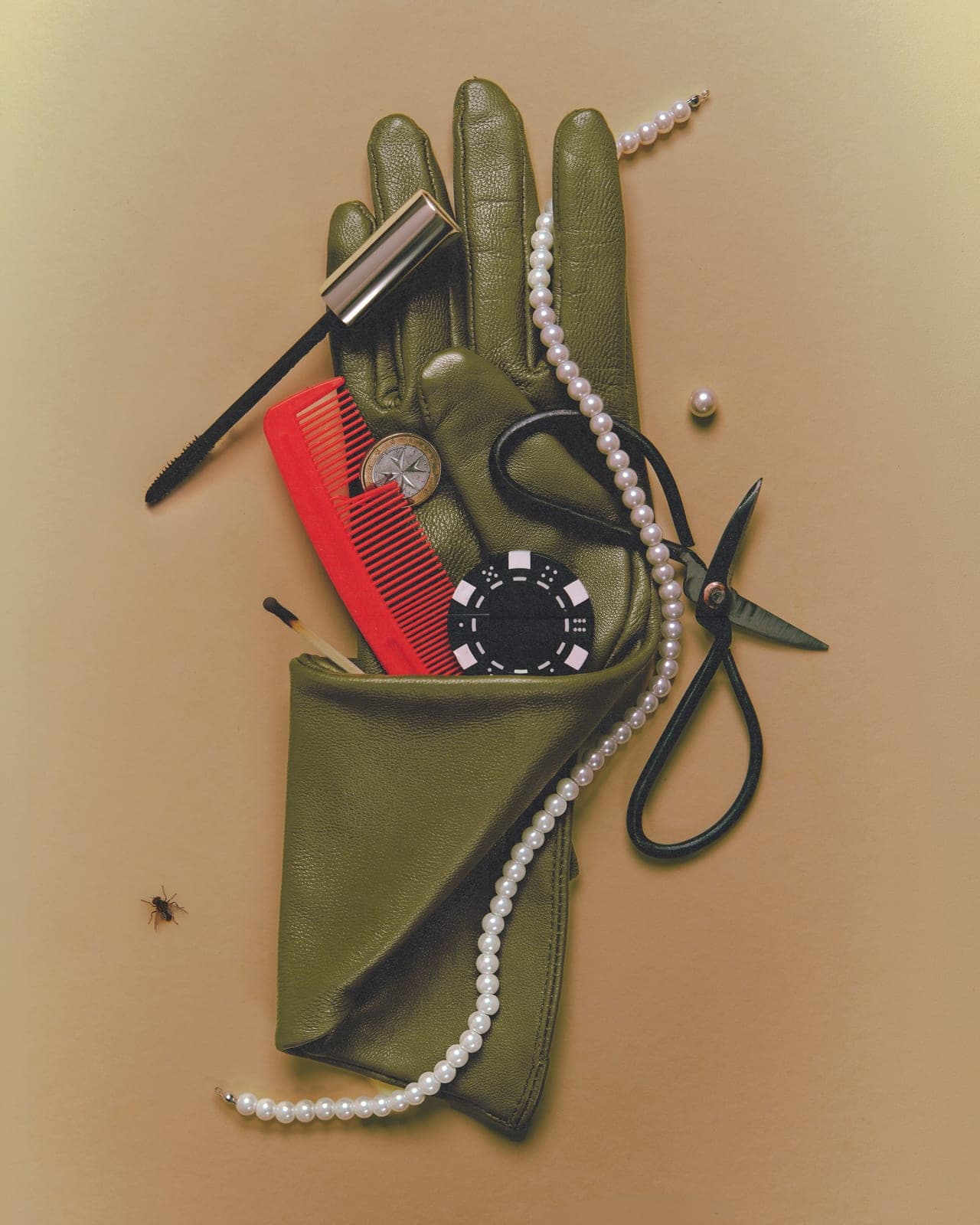
If my work, my photography or my way of seeing the world has made someone's day a little better, that already means everything to me.
For the Days When Creativity Feels Heavy
Sooner or later, creativity becomes an emotional rollercoaster. There are days when everything seems possible and others when nothing feels good enough. One morning can bring complete confidence; the next, the uncomfortable feeling of being nobody at all.
But those difficult days do not erase the gift.
To notice something another person might overlook is already an act of creativity. To interpret it through your own experiences and then offer it back to the world is something even more personal.
And creativity does not have to reach millions of people before it becomes meaningful.
Sometimes one is enough.
We have a unique ability to notice beauty, see it in our own way, capture it and share it with others. Creativity can be deeply healing. If your work has supported even one person or made their day a little brighter, then you're already doing something meaningful.